
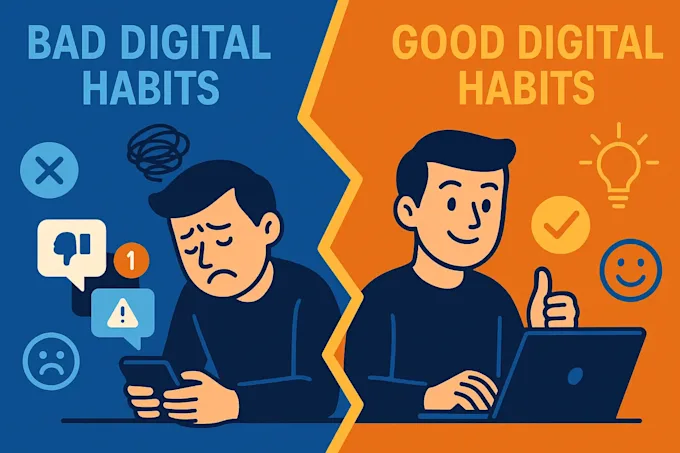
Digital technology has become an essential part of modern life. From communication and education to work and entertainment, digital tools help people complete tasks faster and stay connected with the world. However, the constant use of smartphones, computers, and online platforms can also create challenges when digital habits are not managed properly. Developing better digital routines allows individuals to enjoy the benefits of technology while maintaining productivity, focus, and personal well-being.
In today’s fast-moving digital environment, learning how to use technology intentionally is more important than ever. Platforms and online services continue to evolve, offering new opportunities for convenience and engagement. Resources such as luxury111 can represent the growing digital landscape where users interact with online experiences, but creating a balanced approach to technology remains the key to long-term digital success.
Understanding Digital Habits and Their Impact
Digital habits are the repeated actions people perform when using technology. These habits include checking notifications, browsing websites, communicating through apps, managing online accounts, and consuming digital content. Some habits improve efficiency and organization, while others may lead to distraction or unnecessary screen time.
The impact of digital habits extends beyond device usage. The way people interact with technology can influence concentration, sleep quality, relationships, and overall lifestyle choices. For example, constantly checking notifications may interrupt important tasks, while excessive entertainment consumption can reduce time available for personal goals.
Building awareness of current digital behaviors is the first step toward improvement. People need to recognize which technology practices support their goals and which ones create obstacles. A thoughtful approach helps transform technology from a source of distraction into a valuable tool.
The Importance of Digital Awareness
Digital awareness means understanding how technology affects daily routines and making conscious choices about online activities. Many people use digital devices automatically without considering how much time they spend on different platforms or how those activities influence their productivity.
A strong digital awareness strategy includes evaluating online habits regularly. Users can ask themselves questions such as:
- How much time do I spend on unnecessary digital activities?
- Which apps or platforms improve my daily life?
- Are my online habits helping me achieve my goals?
- Do I have enough time away from screens?
These reflections help individuals identify areas for improvement. Instead of allowing technology to control daily schedules, users can create boundaries that support a healthier lifestyle.
Setting Clear Technology Boundaries
One of the most effective ways to develop better digital habits is by establishing clear boundaries. Without limits, digital activities can easily consume large portions of the day. Simple adjustments can create significant improvements in focus and balance.
For example, setting specific times for checking emails or social media prevents constant interruptions. Creating device-free periods during meals, conversations, or before bedtime can also improve personal connections and relaxation.
Digital boundaries do not mean avoiding technology completely. Instead, they encourage intentional usage. When people decide when and how they use digital tools, they gain greater control over their time and attention.
Improving Productivity Through Smart Digital Practices
Technology can greatly improve productivity when used correctly. Digital calendars, task management applications, note-taking tools, and communication platforms help organize responsibilities and streamline workflows.
However, productivity depends on using these tools effectively. Having too many applications or constantly switching between platforms can create confusion. Choosing simple and reliable digital solutions often produces better results.
A productive digital routine may include:
- Planning daily tasks with digital calendars
- Organizing files and documents regularly
- Turning off unnecessary notifications
- Using automation for repetitive activities
- Scheduling focused work periods without distractions
These practices allow technology to support personal and professional growth rather than interrupt progress.
Managing Screen Time Effectively
Screen time management is an important part of developing healthier digital habits. While screens are necessary for many activities, excessive use can affect physical comfort and mental focus.
Managing screen time does not require eliminating enjoyable digital activities. Instead, it involves creating a balanced schedule. Users can set limits for entertainment, take regular breaks, and include offline activities in their daily routines.
The following strategies can help manage screen usage:
Take Regular Breaks
Long periods of screen use can cause tiredness and reduced concentration. Short breaks allow the mind and body to recover. Activities such as stretching, walking, or looking away from the screen can improve comfort and focus.
Create Screen-Free Zones
Designating certain areas, such as dining spaces or bedrooms, as screen-free zones encourages healthier routines. These spaces provide opportunities for relaxation and meaningful interactions.
Track Digital Usage
Many devices provide tools that show how much time users spend on different applications. Reviewing this information can help identify unnecessary usage patterns and encourage better decisions.
Developing Better Online Communication Habits
Digital communication has changed the way people interact. Messages, emails, and online communities make communication faster and more accessible. However, effective digital communication requires awareness and responsibility.
Good online communication habits include responding thoughtfully, respecting others’ time, and avoiding unnecessary messages. Clear communication reduces misunderstandings and improves digital relationships.
It is also important to maintain professionalism online. Whether communicating for work, education, or personal reasons, respectful and thoughtful interactions create a positive digital environment.
Protecting Privacy and Security Online
Better digital habits also involve protecting personal information. As more activities move online, cybersecurity awareness becomes essential for everyday users.
Strong digital security practices include:
- Using unique passwords for different accounts
- Enabling additional security verification when available
- Avoiding suspicious links and unknown downloads
- Updating software regularly
- Reviewing privacy settings on online platforms
Small security improvements can significantly reduce digital risks. Responsible technology use includes protecting both personal information and online identity.
Creating a Balanced Digital Lifestyle
A balanced digital lifestyle combines the advantages of technology with healthy offline experiences. Technology should enhance life rather than replace important activities such as physical movement, personal relationships, creativity, and relaxation.
People can achieve better balance by creating routines that include both digital and non-digital activities. Reading physical books, spending time outdoors, practicing hobbies, and connecting with others face-to-face can provide valuable breaks from digital environments.
Balance also means understanding that everyone’s ideal technology usage is different. The goal is not to follow strict rules but to develop habits that support individual needs and priorities.
Teaching Better Digital Habits to Future Generations
As technology becomes increasingly important, teaching responsible digital habits to younger generations is essential. Children and teenagers are growing up in environments where digital tools are part of everyday life.
Parents, educators, and communities can help young users understand topics such as online safety, respectful communication, privacy protection, and responsible screen usage.
Encouraging healthy digital habits early creates a foundation for positive technology experiences in the future. Young users who understand how to manage technology effectively are better prepared for a connected world.
Adapting Digital Habits as Technology Changes
Technology continues to evolve, introducing new platforms, devices, and digital experiences. Because of this constant change, digital habits must also adapt over time.
A good digital routine is flexible. Users should regularly evaluate whether their current habits still support their goals. New tools may improve efficiency, while older practices may become unnecessary.
Continuous learning is an important part of digital growth. Staying informed about new technologies and understanding their effects helps people make better decisions.
Conclusion: Building a Smarter Digital Future
Building better digital habits is about creating a healthy and purposeful relationship with technology. Digital tools provide countless opportunities for communication, creativity, learning, and productivity, but their benefits depend on how they are used.
By developing awareness, setting boundaries, managing screen time, improving security practices, and maintaining balance, individuals can create digital routines that support a better quality of life. Technology should be a resource that helps people achieve their goals, not a distraction that controls their daily activities.
A thoughtful digital lifestyle allows users to enjoy modern innovations while protecting their time, focus, and personal well-being. Small improvements in everyday technology habits can lead to meaningful long-term changes, creating a more productive and balanced digital future.