
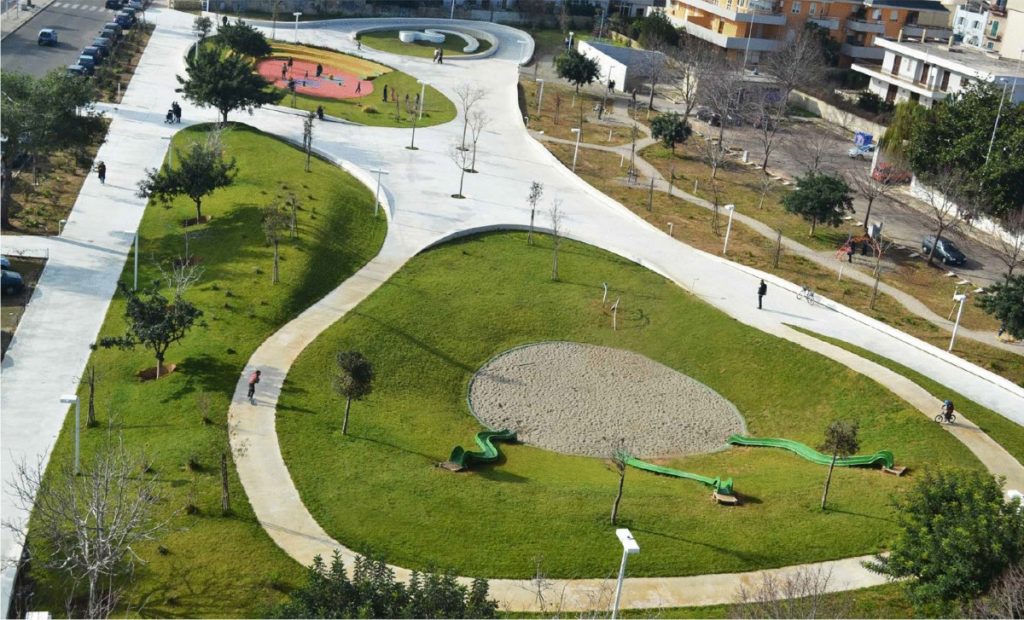
The pandemic did not invent loneliness or disconnection, but it exposed weak links in how cities support daily contact. Sidewalks were narrow, benches scarce, and many plazas felt like leftover land. At the same time, quieter streets showed what could be possible: outdoor classrooms, curbside seating, pop-up markets, and slow routes for walking and cycling. The task now is to keep what worked, fix what failed, and embed connection as a design goal rather than an afterthought.
Public space competes with screens and private comfort. If streets and squares are to matter, they must offer value that homes and feeds cannot: unplanned encounters, shared rituals, and movement that feels safe and useful. For a reminder of how fast digital loops can absorb attention, read more, and then consider how physical settings can draw people into longer, shared time.
What Changed About Public Life
Lockdowns reconfigured routines. Commutes shrank or vanished, schooldays shifted, and local parks carried more of the social load. People noticed which corners worked and which did not. They also saw the cost of uneven access: some blocks had tree cover and wide sidewalks; others had heat and traffic. Many temporary measures—curb extensions, slow streets, outdoor service areas—showed that reallocation can be fast when rules allow. The question is how to convert ad hoc moves into durable systems.
Design Goals for Connection
Four goals can guide redesign:
- Proximity: Put daily needs within a short walk or ride.
- Safety: Reduce crash risk and remove barriers for children, elders, and people with disabilities.
- Comfort: Provide shade, wind breaks, lighting, seating, and toilets.
- Agency: Let residents shape space through events, micro-grants, and feedback loops.
These goals keep focus on basic function rather than spectacle.
Streets as Social Infrastructure
Streets are the largest public rooms. Rebalancing them for people does not mean banning vehicles; it means allocating space according to value. On many corridors, a protected movement lane and a protected seating or planting zone can sit beside a general lane. Intersections need tight turning radii, raised crossings, and signal timing that favors walkers. Freight windows and pickup areas can be scheduled to protect peak school or market hours. The aim is flow without fear.
Parks: Edges, Not Just Centers
Large parks attract on weekends; edges serve every day. When edges have clear paths, frequent entrances, and a mix of seating and play, people use them before work, at lunch, and after school. Small additions—water taps, simple exercise stations, open wi-fi, and shared tables—extend dwell time and broaden the user mix. Maintenance must match use: trash pickup, lighting checks, and turf repair on predictable schedules.
Transit as Public Space
Transit is more than vehicles; it includes stops, platforms, and the walks to reach them. If the last 300 meters feel unsafe or unpleasant, ridership falls. Shelters, real-time information, and level boarding help, but so do trees, curb ramps, and crossings that do not demand a sprint. Where service runs often, small plaza upgrades near stops—the bench, the kiosk, the shade structure—can anchor local activity and give riders a reason to arrive a few minutes early rather than cut timing close.
The Role of Streetside Commerce
Street vending and small kiosks add eyes, light, and routine. When rules are clear—licenses, health standards, hours, and footprints—these uses stabilize rather than clash. Micro-leases and plug-and-play utility posts (power, water, waste) can keep setups tidy. Rotating permits prevent capture by a few operators and keep offerings fresh through the week.
Equity Starts With the Basics
Connection will not grow if basic services lag. Blocks lacking trees, lighting, and safe crossings experience heat, fear, and isolation. Investment should follow need, not just demand. A simple equity screen—children within a ten-minute walk of a safe play area; elders within a short walk of shaded seating and toilets; people with disabilities able to reach key services without steps—can guide priorities. Transparency matters: publish maps, budgets, and repair timelines so residents can hold agencies to account.
Safety Without Overreach
People connect when they feel safe. Design can lower risk without raising tension: clear sightlines, multiple exits, steady lighting, and active edges. Where patrols are present, training and protocols should align with the goal of welcoming public life, not aggressive control. Community stewards—paid or volunteer—often diffuse conflict and provide wayfinding without escalating.
Measuring What Matters
If cities only count car throughput, they will design for it. A better dashboard tracks:
- Footfall and dwell time by time of day and season.
- Injury and near-miss rates at intersections.
- Shade, temperature, and air quality on hot days.
- Seating, toilet, and water access per block or district.
- Participation in permits, events, and maintenance.
Collect data before and after projects, share it in open formats, and include resident surveys. Counting what people do—not what plans predict—improves each next step.
Governance and Stewardship
Design fails without care. Clear responsibilities across agencies reduce gaps: one team for trees, another for paving, a third for lighting and furniture. Service standards should be public: repair times for broken lights, cleaning cycles for toilets, response times for reports. Small grants to local groups can support programming—markets, classes, performances—that bring steady use and shared responsibility.
Temporary to Permanent: How to Pilot Well
Pilots should test a hypothesis, not serve as decoration. Define the outcome in advance: fewer injuries, longer dwell times, more children walking to school. Use cheap materials first—paint, planters, movable furniture—measure, and then either scale or remove. Where trials work, upgrade to durable materials on a set timeline. Where they do not, explain why and try a different approach. Trust grows when cities show both iteration and discipline.
Designing for Heat, Flood, and Smoke
Connection depends on climate resilience. Shade trees, reflective surfaces, and water access reduce heat stress. Permeable paving and rain gardens manage storms. Filtration-ready shelters and flexible indoor rooms offer refuge during smoke events. These features are not extras; they keep public space usable during shocks and support recovery afterward.
The Economic Case
Connected public space lowers costs elsewhere. Fewer injuries reduce emergency spending. Cooler streets reduce health risks during heat waves. Steady foot traffic supports small businesses, which stabilizes local employment and services. When people can meet in shared places, they also exchange information that moves jobs, child care, and community support without formal programs.
Participation That Builds Capacity
Town halls alone do not reach workers, caregivers, or youth. Mix methods: pop-up booths at transit stops, text polls, school-based workshops, and walk audits with residents. Pay community members for their time; provide childcare and translation. When people see their input reflected in design—benches placed where they asked, crossings where they cross—they return and bring neighbors.
A Practical Start
Pick one corridor and one park edge. On the corridor, add a protected movement lane, widen sidewalks, and set a delivery window. At the park edge, add lighting, a water tap, seating, and a small stage pad with access to power. Track injuries, dwell time, and local sales for six months. Adjust, then publish results. Repeat in the next district with lessons learned.
Conclusion: Cities Built for Being Together
Post-pandemic redesign is not about grand projects; it is about many small, linked moves that make meeting easy and safe. Streets, parks, and transit can form a daily network of connection if design, operations, and measurement pull in the same direction. When people can walk, sit, talk, and watch without stress, the city begins to do its main job again: bringing strangers into workable proximity and turning proximity into trust.