
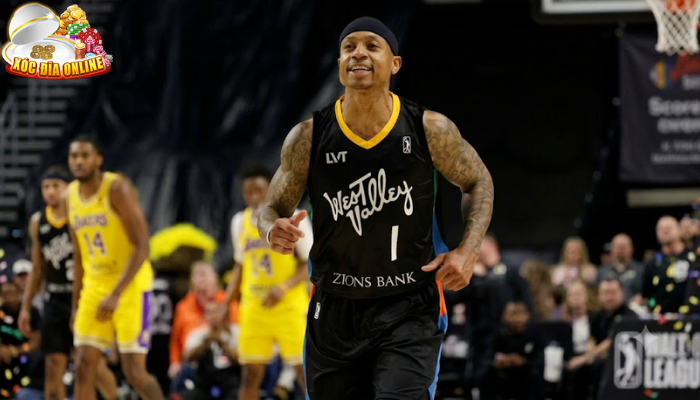
The truth is that few athletes have ever displayed the sheer tenacity and grit required to dismantle the dynasties of the Lakers and Celtics simultaneously. While many casual fans focus on the scoring statistics of modern guards, the impact of Isiah Thomas is far better understood by examining how he controlled the tempo and psychology of every game he played. For those who study the evolution of strategic competition, his approach is often compared to high-stakes environments where precision and timing are everything, much like the calculated risks found in Xóc Đĩa or other traditional games of chance. This level of focus allowed him to transform a struggling franchise into a two-time champion through pure willpower and tactical brilliance. A significant portion of sports analysts believe that his ability to perform under pressure remains the gold standard for small guards in a league dominated by giants.
In addition to his physical skills, his mental fortitude became a hallmark of his career. One thing very few actually pay attention to is how he managed to balance being a scoring threat with being a primary facilitator for his teammates. This duality made him nearly impossible to guard because he could adapt to any defensive scheme presented to him. Beyond that, his leadership style was not just about vocal encouragement but about setting a standard of toughness that the entire roster had to follow. For those who value consistency, his career serves as a masterclass in how to build a winning culture from the ground up without compromising on intensity.
The Strategic Mastery of the Detroit Pistons Dynasty
The rise of the Bad Boys was not an accident of scouting but a deliberate construction of a defensive identity centered around Isiah Thomas and his refusal to back down from physical play. Notably, the team prioritized collective success over individual accolades, a philosophy that allowed them to overcome more talented rosters on paper. Another key aspect of this era was the psychological warfare the team engaged in, forcing opponents to play a style of game that was uncomfortable and grueling. While some critics found their methods controversial, the results were undeniable as they secured back-to-back titles in an era of unprecedented competition. For those who appreciate the nuances of game theory, the way this team managed their resources is as fascinating as the mechanics of Xóc Đĩa Online in a digital setting.
Synchronized Suffocation: Mastering Team-Wide Defensive Rotations
The defensive schemes implemented during this period relied heavily on the quickness and anticipation of the backcourt. Isiah Thomas served as the first line of defense, pressuring ball handlers and disrupting the flow of the opposing offense before they could set up their plays. This aggressive stance forced countless turnovers and allowed the Pistons to capitalize on fast-break opportunities. In addition, the synergy between the guards and the interior defenders ensured that any player driving to the basket would meet significant resistance. This cohesive unit functioned like a well-oiled machine, proving that defensive intensity is often the deciding factor in championship-level matchups.
The Art of the Unpredictable Game-Winner
When the game was on the line, the responsibility almost always fell to the captain to deliver a basket. Isiah Thomas possessed an uncanny ability to find gaps in the defense, using his low center of gravity and elite ball-handling skills to penetrate the paint. Notably, his perimeter shooting also improved over the years, making him a multi-dimensional threat that could not be easily neutralized. Beyond that, his passing vision ensured that if the defense collapsed on him, an open teammate would always receive the ball in a scoring position. This versatility is what allowed the Pistons to remain competitive even when their primary scoring options were struggling.
The Untaught Survival Guide to Modern Management
The transition from the court to the front office is rarely smooth, and the post-playing career of Isiah Thomas has been marked by both ambitious projects and significant hurdles. Notably, his tenure as an executive saw him attempting to rebuild storied franchises using the same aggressive tactics that defined his playing days. While some of these moves were met with skepticism, they reflected a consistent desire to win at all costs and a refusal to accept mediocrity. Another key aspect of his management style was his willingness to take risks on high-potential talent, even if those players came with perceived baggage or unconventional backgrounds.
Building Rosters for the Modern Era
In the front office, the focus shifted toward identifying players who possessed the same grit and determination that fueled the championship years in Detroit. Isiah Thomas often looked for athletes who were overlooked by other scouts, believing that internal drive was more important than raw physical metrics. A significant portion of his transactions involved trading for established veterans who could provide leadership to younger prospects. For those who follow the intricacies of team building, these moves highlight the difficulty of replicating a specific locker room chemistry in a different city or era. One thing very few actually pay attention to is the long-term impact these personnel decisions had on the financial flexibility of the organizations involved.
Global Basketball Expansion and Advocacy
Beyond the NBA, his influence extended into the global promotion of the sport and the development of alternative leagues. He recognized early on that the appetite for basketball was growing internationally and sought to position himself at the forefront of that expansion. In addition, his work in community advocacy and player education has helped numerous athletes navigate the complexities of professional life after their playing days are over. For those who see sports as a vehicle for social change, his efforts in this area represent a significant part of his broader legacy. This commitment to the sport’s growth ensures that his name remains relevant to new generations of fans and players alike, much like how digital entertainment trends such as Xóc Đĩa Online continue to evolve and attract new audiences across different regions.
Technical Brilliance and the Point Guard Blueprint
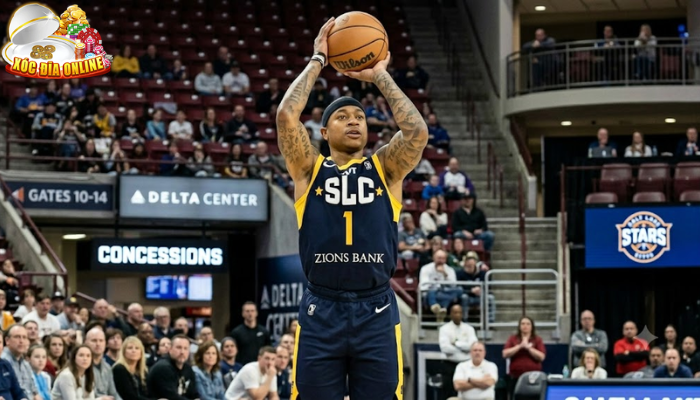
The technical proficiency required to play at an All-Star level for over a decade is immense, and Isiah Thomas mastered the fundamentals of the position better than almost anyone in history. His crossover dribble was not just a flashy move but a functional tool used to create space and manipulate the defender’s momentum. Notably, his footwork in the post was equally impressive, allowing him to score over taller defenders using clever angles and high-arching shots. Another key aspect of his game was his endurance, as he frequently played heavy minutes while maintaining a high level of intensity on both ends of the floor, a discipline that mirrors the focus and consistency often needed in competitive activities such as Xóc Đĩa Online.
Commanding the Court: Ball Control Through Spatial Intelligence
The ability to navigate through a crowded defense requires a level of spatial awareness that few possess. Isiah Thomas seemed to have a mental map of the court at all times, knowing exactly where his teammates were and where the defenders were leaning. This allowed him to thread passes through tight windows that other players wouldn’t even see. In addition, his handle was so secure that he rarely committed unforced turnovers, even when facing double teams or full-court pressure. For those who study the mechanics of the game, his ball-handling drills remain a staple of modern player development, much like how strategic thinking and anticipation are valued in competitive activities such as Xóc Đĩa Online.
Commanding the Chaos: Leadership When the Stakes Peak
True leadership is tested during moments of crisis, and the 1988 NBA Finals provided the ultimate stage for such a test. Despite a severe ankle injury that would have sidelined most players, Isiah Thomas delivered one of the greatest single-quarter performances in playoff history. This display of courage galvanized his team and earned the respect of his fiercest rivals. Beyond that, his ability to remain calm and focused during high-stakes possessions was a trait that his teammates relied upon constantly. For those who find excitement in the unpredictable nature of competition, whether in sports or when engaging with Xóc Đĩa Online, this performance stands as a testament to human resilience.
Conclusion
The legacy of Isiah Thomas is defined by a rare combination of technical skill, strategic intelligence, and an unbreakable will to win. He proved that a smaller guard could dominate a league of giants by outthinking and outworking the opposition at every turn. For those who seek to understand the history of basketball, his career offers endless lessons in leadership and perseverance. His impact continues to be felt today, as modern players strive to emulate the toughness and precision he brought to the court every night. We trust these observations on his impact provide a fresh perspective. Visit our portal to find the best insights into professional sports and high-stakes strategy. Xóc Đĩa Online provides a unique way to experience the thrill of the win. Complete your account setup to begin your journey.